
Pre-launch · early access
The product lifecycle, connected.
A request arrives. Then it becomes a note, a ticket, a slide, a document, a build, an announcement — and loses its context at every step. Clarimeld keeps one thread of context through all of it: from the first signal to what shipped, and to what it changed.
PM OS · Writer OS · Public OS — three environments, one thread.
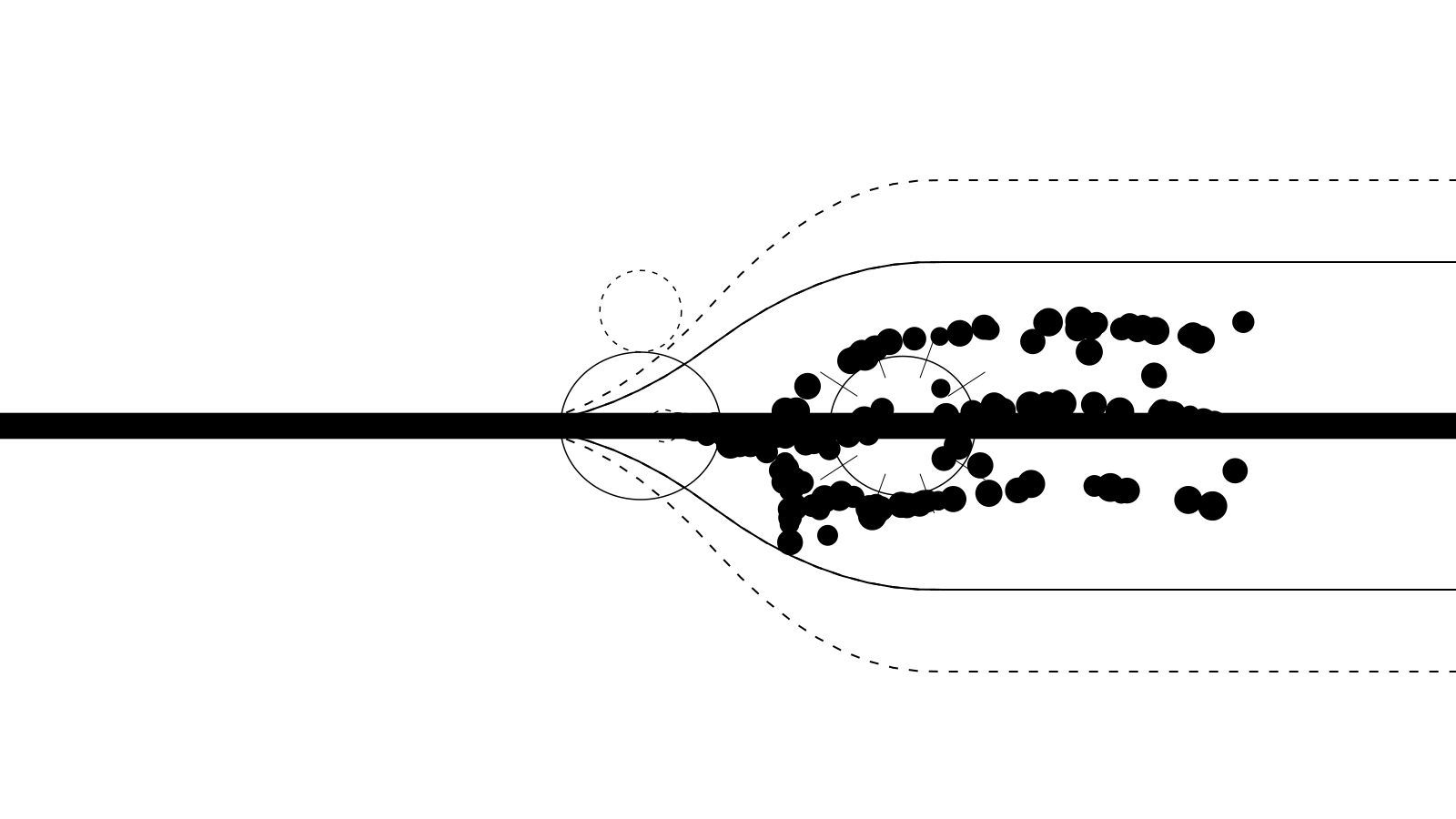
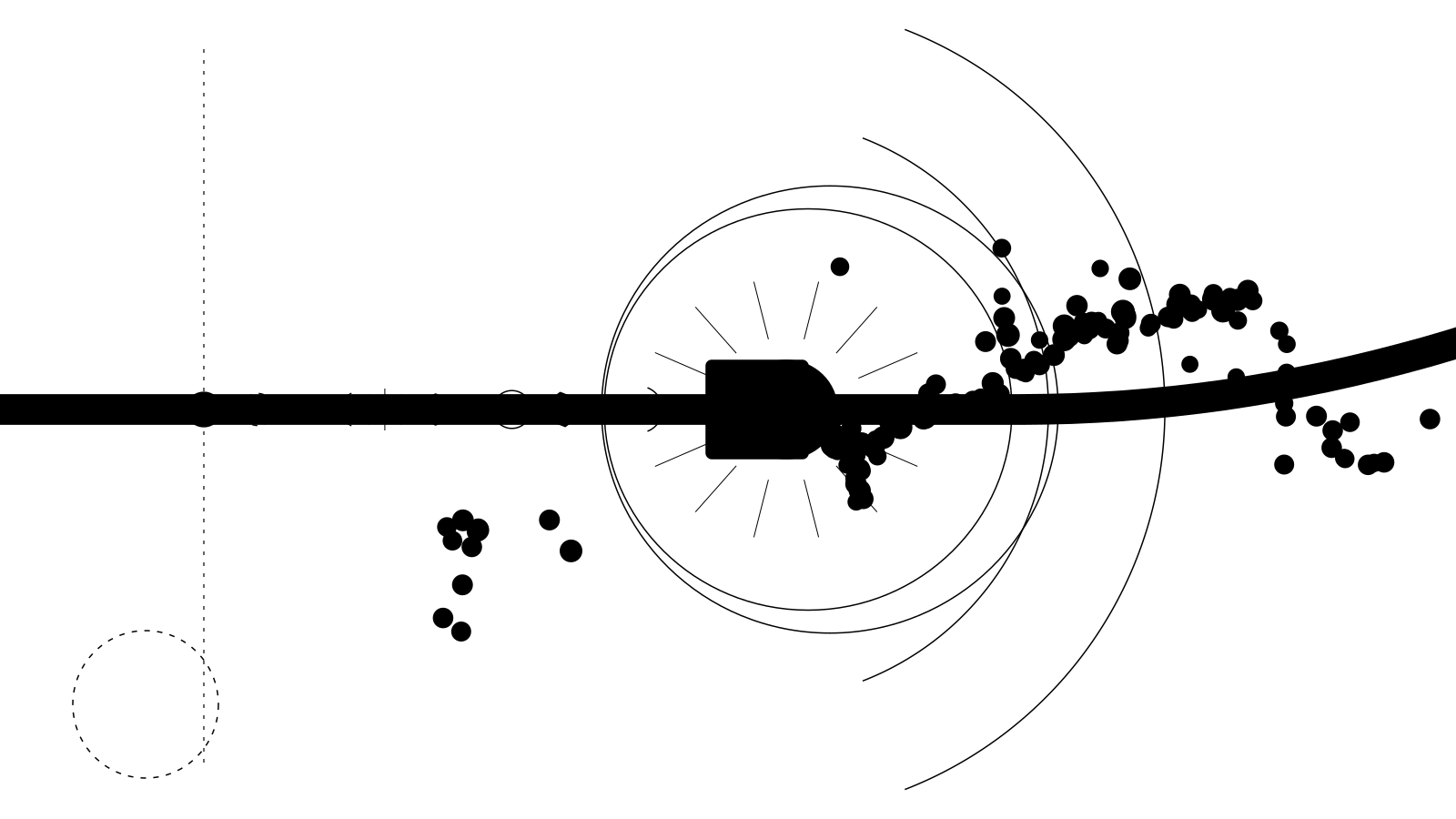
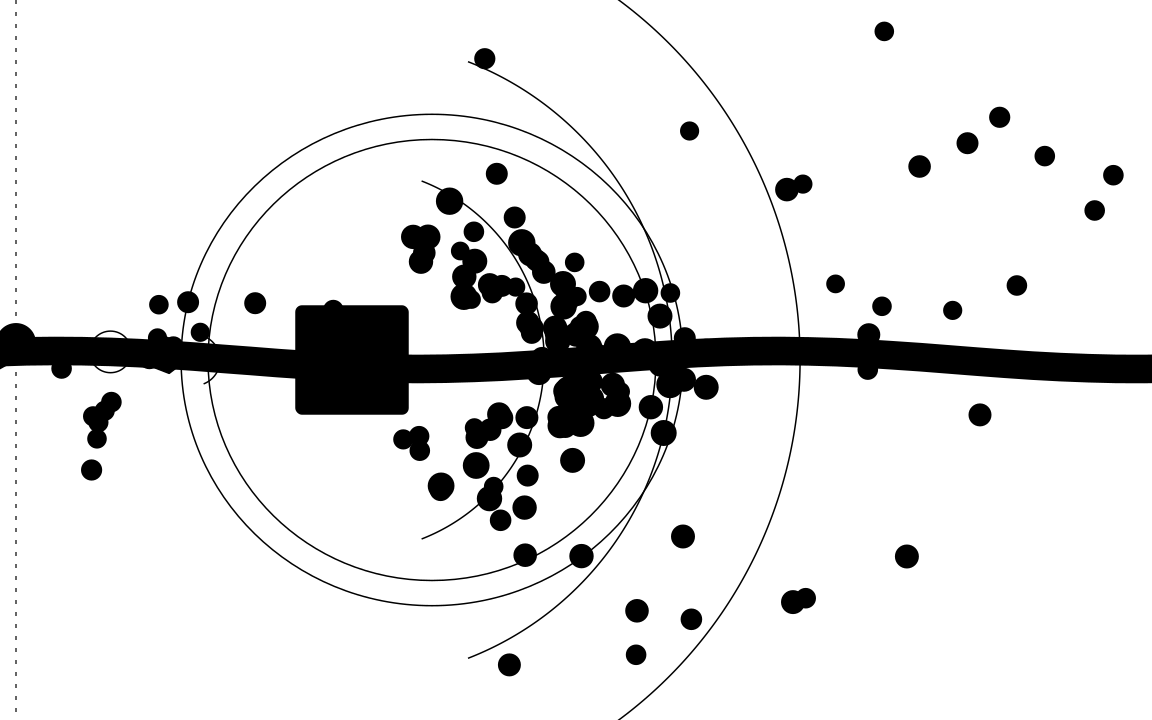
Illustration: the same customer request scattered across kinds of evidence — interviews, feedback, feature requests, support tickets, surveys, metrics, public reviews, research findings, uploaded documents — and public ideas, retro notes and drafts, drifting apart.
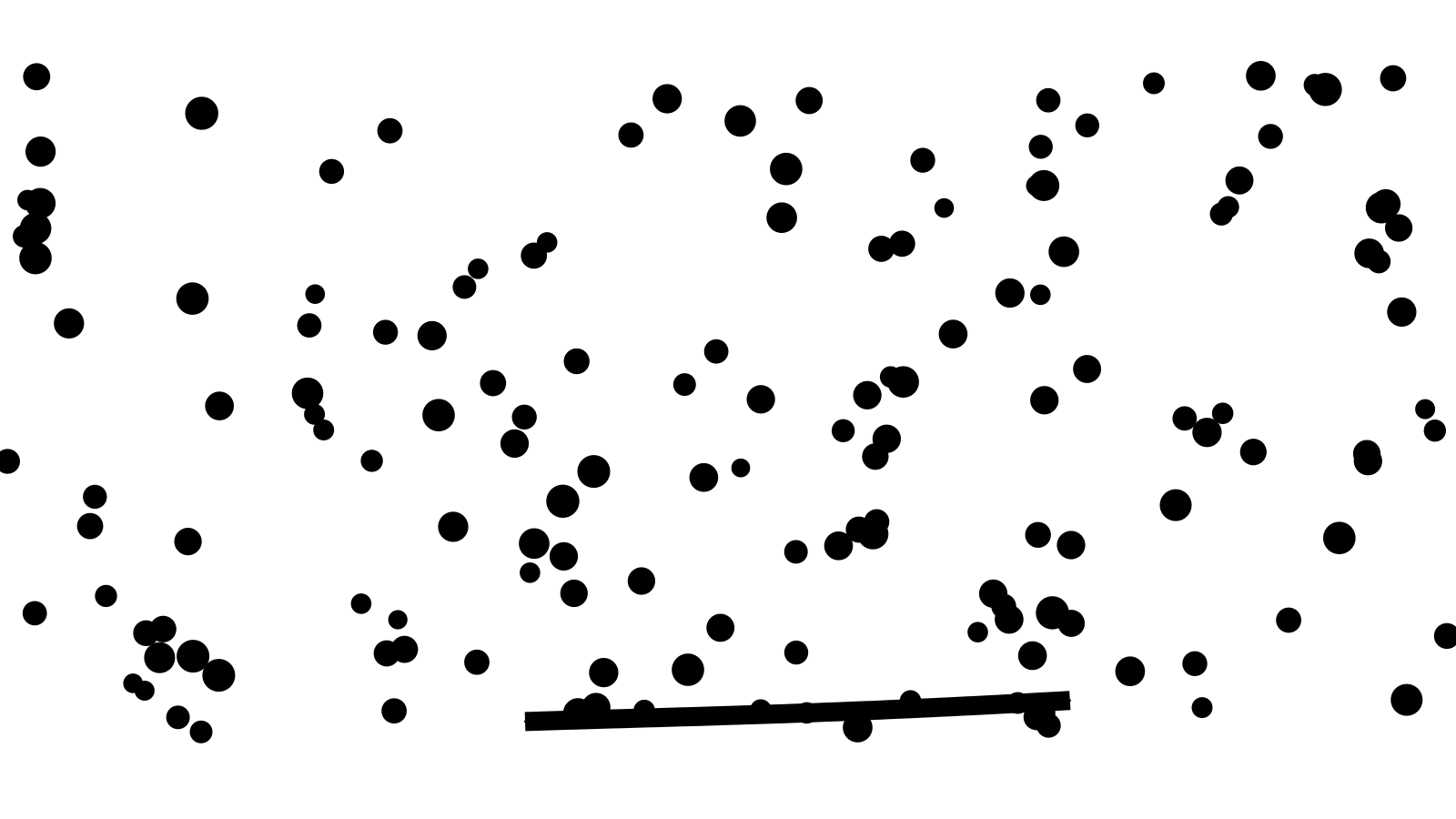
The thread
One thread of context, carried through the whole lifecycle.
One thread. Every piece of work stays on it.
Not a numbered workflow. A continuous line of context that gathers as it goes — who asked, what was learned, what was decided and why, what was built, who was told, what happened next — splits when the work does, and comes back with what the world answered.
- signal → + question → + evidence
- → + possible directions → + decision → + structured intent
- → + agreed intent → + moving work → + released work
- → + observed response → + learned pattern → the next signal
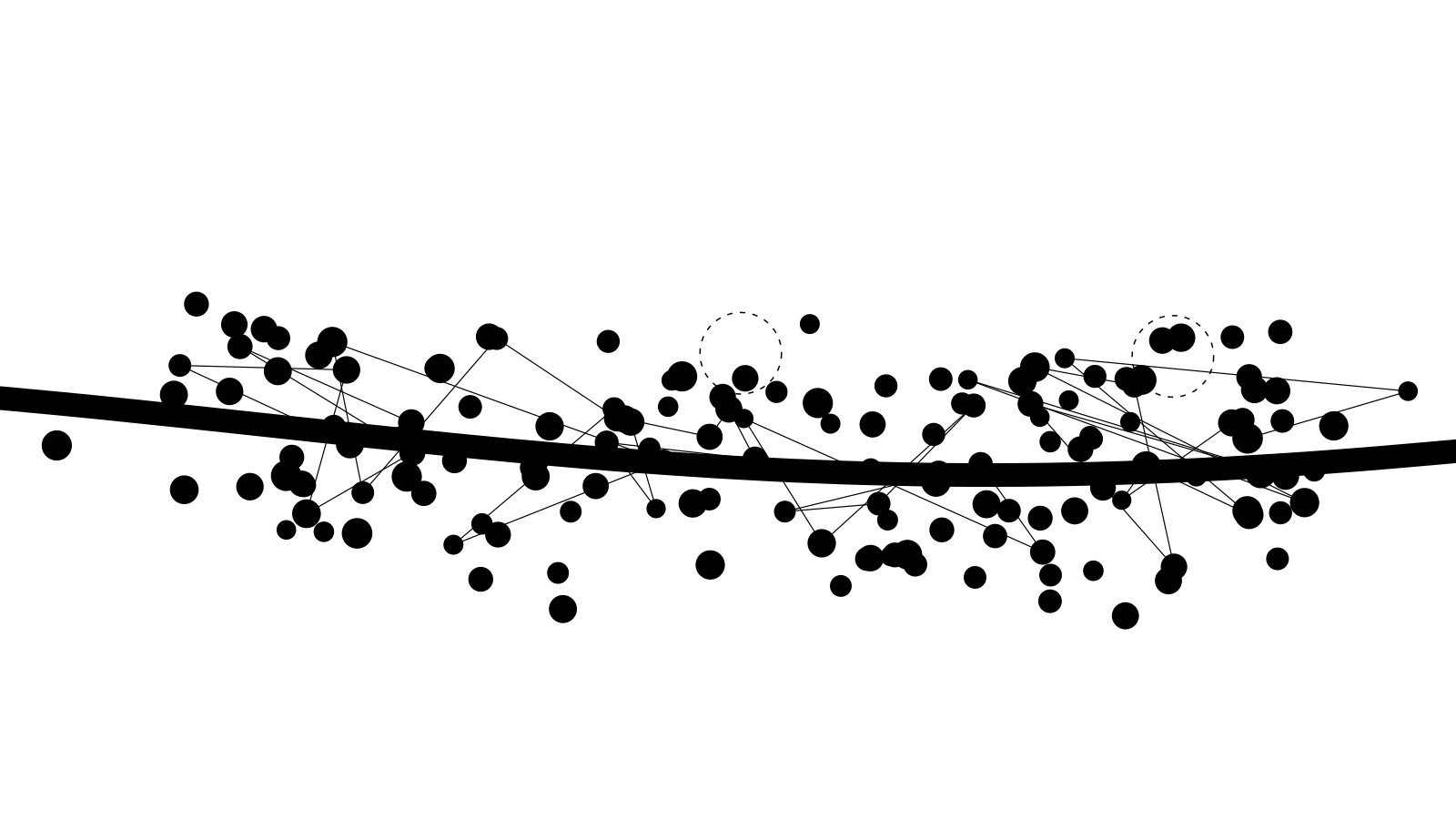
PM OS · discovery and evidence
Fragments become questions. Questions gather their evidence.
A signal becomes a question.
Discovery
What are we trying to understand?
Discovery turns an initial signal into something a product team can investigate and understand.
- Discoveries
- Idea clusters → discovery
- Assumptions & experiments
- Extract from a page or link
Related signals are pulled together into a discovery: the question worth answering, the people it came from, the assumptions and experiments that will test it. Ideas can be clustered and promoted into discovery; a page or link can be extracted straight into it.
Questions gather their evidence.
Evidence
What do we know?
Evidence gives the team a structured basis for what supports a direction — and what is still uncertain.
- Nine kinds of evidence
- Attached to a discovery, decision or PRD
- Evidence trace
Interviews, feedback, feature requests, support tickets, surveys, metrics, public reviews, research findings and documents are kept as evidence, each attached to the discovery, decision or PRD it supports — so the trace from a customer's words to a shipped release stays intact.
- Interviews
- Feedback
- Tickets
- Surveys
- Metrics
- Reviews
- Findings
- Documents
PM OS · from strategy to governed intent
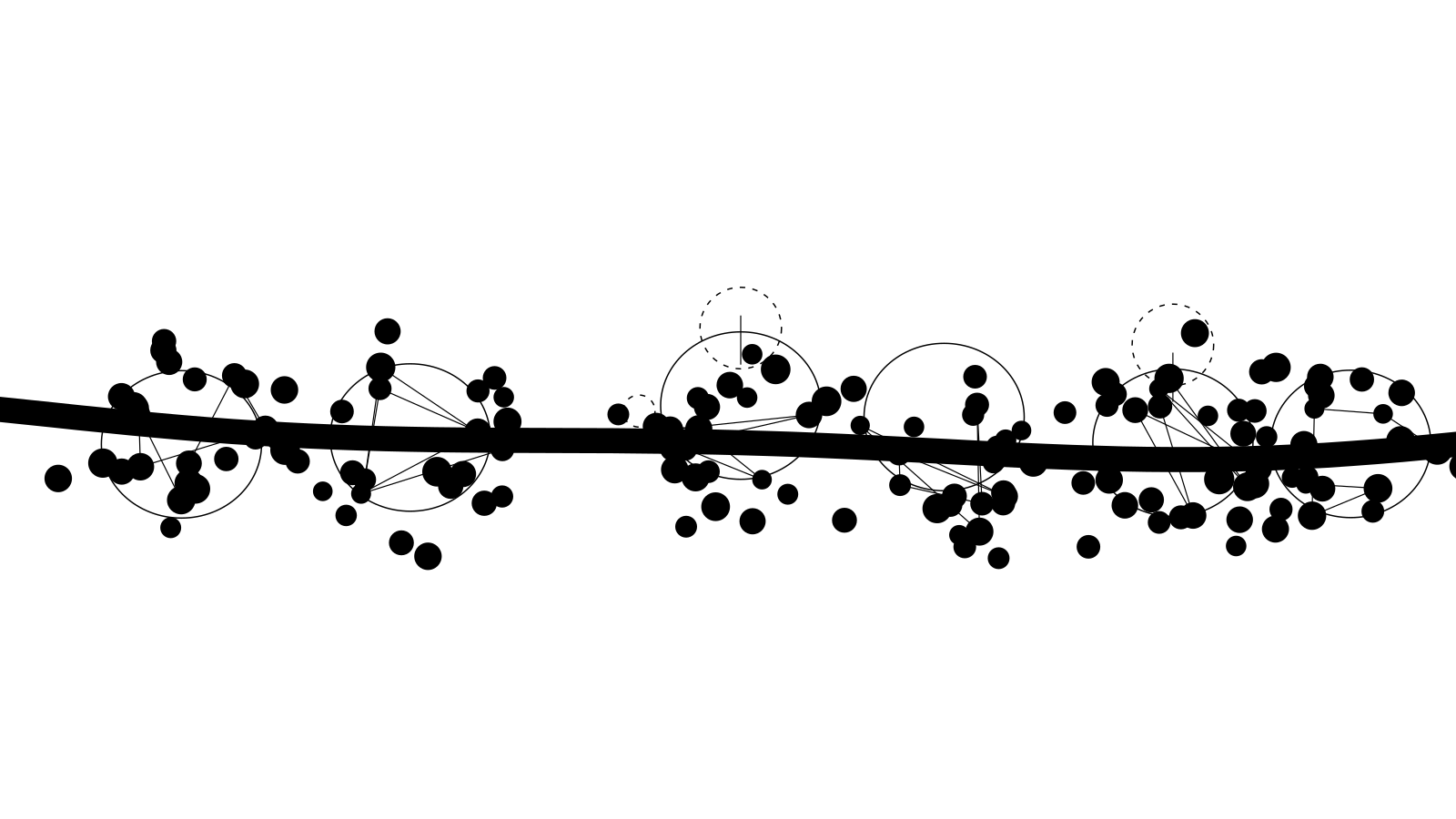
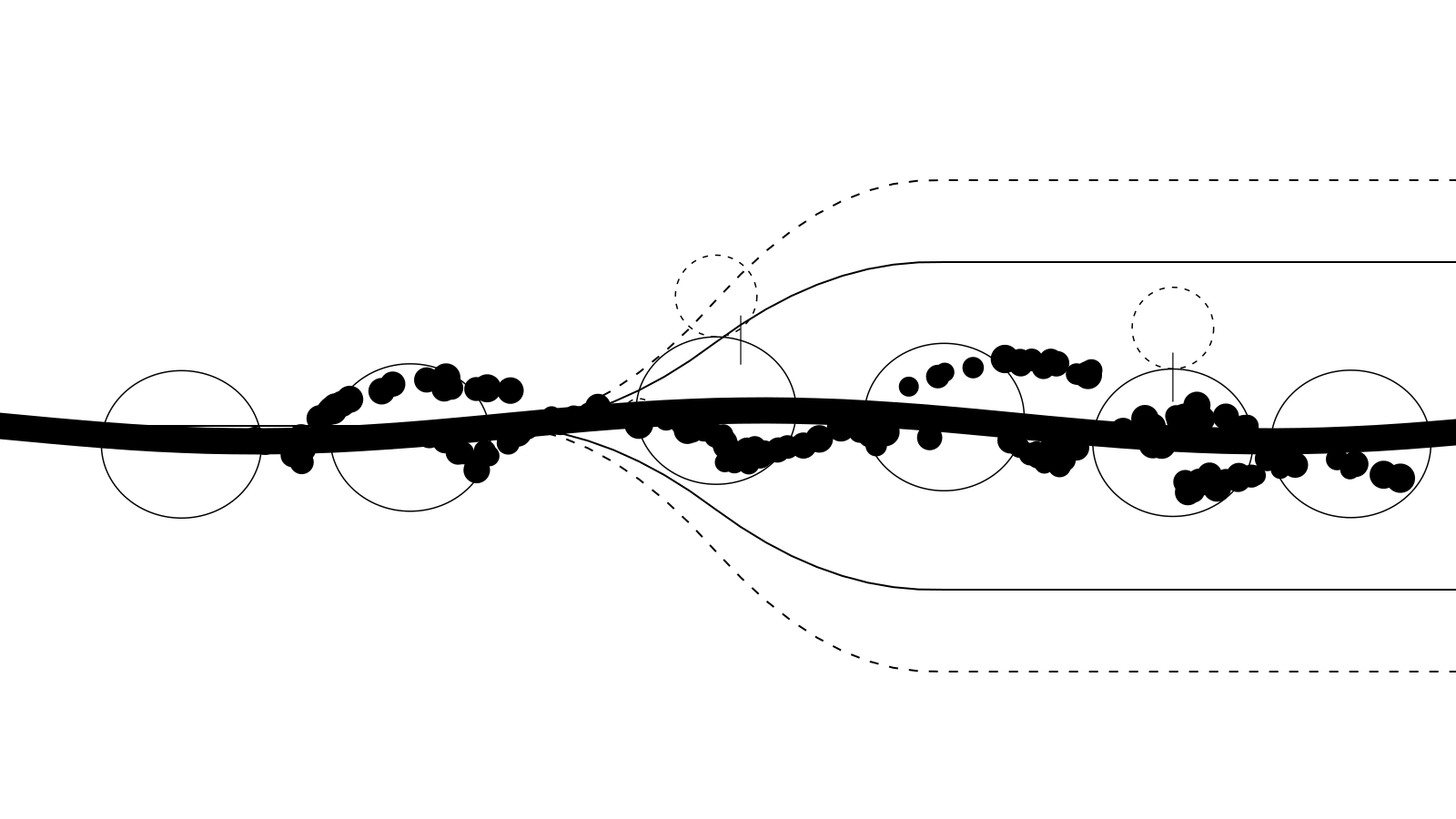
Many possible paths. One deliberate choice. A structure everyone can stand behind.
Many possible paths.
Strategy
Where could we go?
Strategy turns understanding into direction, priorities and intended outcomes.
- Initiatives on swimlanes & timelines
- OKRs
- Competitive intelligence
- What-if scenarios
Evidence shapes the options: initiatives on swimlanes and timelines, the OKRs they serve, competitive intelligence beside them, what-if scenarios to weigh, and drift warnings when execution wanders from the plan.
- Drift warnings
One deliberate choice.
Decisions
What did we choose?
Decisions make the chosen direction explicit — and keep the reasoning with it.
- Decision record
- Rationale
- Alternatives not taken
- Linked evidence & PRD
A decision is recorded as a decision — with its rationale and the alternatives that were not taken — and stays linked to the evidence behind it and the PRD it shaped. The paths not chosen remain on the record.
The choice takes structure.
PRDs
What are we going to build, and why?
PRDs give execution a shared expression of what is being built, and why.
- Guided sections
- Linked evidence & decisions
- Revisions with diffs
The choice crystallises into a PRD: guided sections, the evidence and decisions it rests on, revisions with diffs, attachments — and a public read-only version when you want one.
- Attachments
- Public read-only PRD
Alignment before work.
Governance
What have we agreed — and how do we keep the work aligned?
Governance provides alignment and accountability around important product decisions and work.
- Review requests
- Readiness checks
- Approvals
- Snapshot of the agreed state
Before it becomes work, the PRD gains agreement: review requests, readiness checks and approvals are recorded against it, and snapshots preserve exactly what was agreed. An approval can open a launch brief in Writer OS that already knows its context.
PM OS · execution and releases
Intent becomes coordinated work. Work becomes something that can leave.
Intent becomes coordinated work.
Execution
How does the intent become coordinated work?
Execution carries product intent into coordinated work and visible progress.
- Epics & stories
- Dependencies
- Acceptance criteria
- Sprint board & burndown
The PRD's execution plan carries epics, stories, dependencies and acceptance criteria; a sprint board, burndown and execution roll-ups show how the work is moving — without leaving the decision behind.
- Execution roll-ups
Work becomes something that can leave.
Releases
What is ready to leave the system?
Releases turn completed work into something that can enter the world and be communicated.
- Release notes
- Preview of who will hear
- Explicit, human send
- Loop ledger
A release note is drafted from the thread, published, and can be shown publicly. Telling the customers who asked is a separate, human-reviewed step — a preview of exactly who will hear, then an explicit send. Nothing is sent by publishing alone.
- Public release page
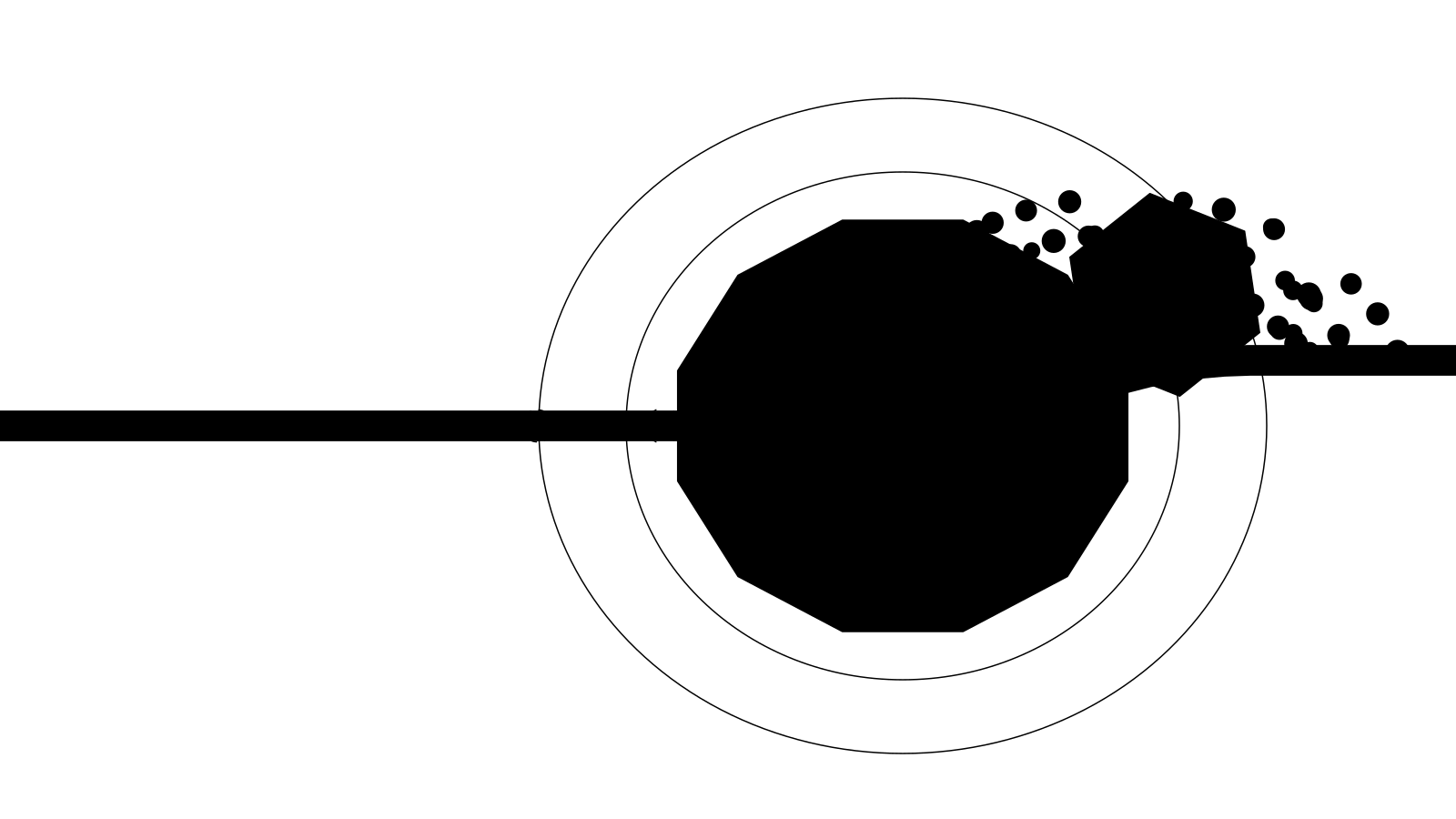
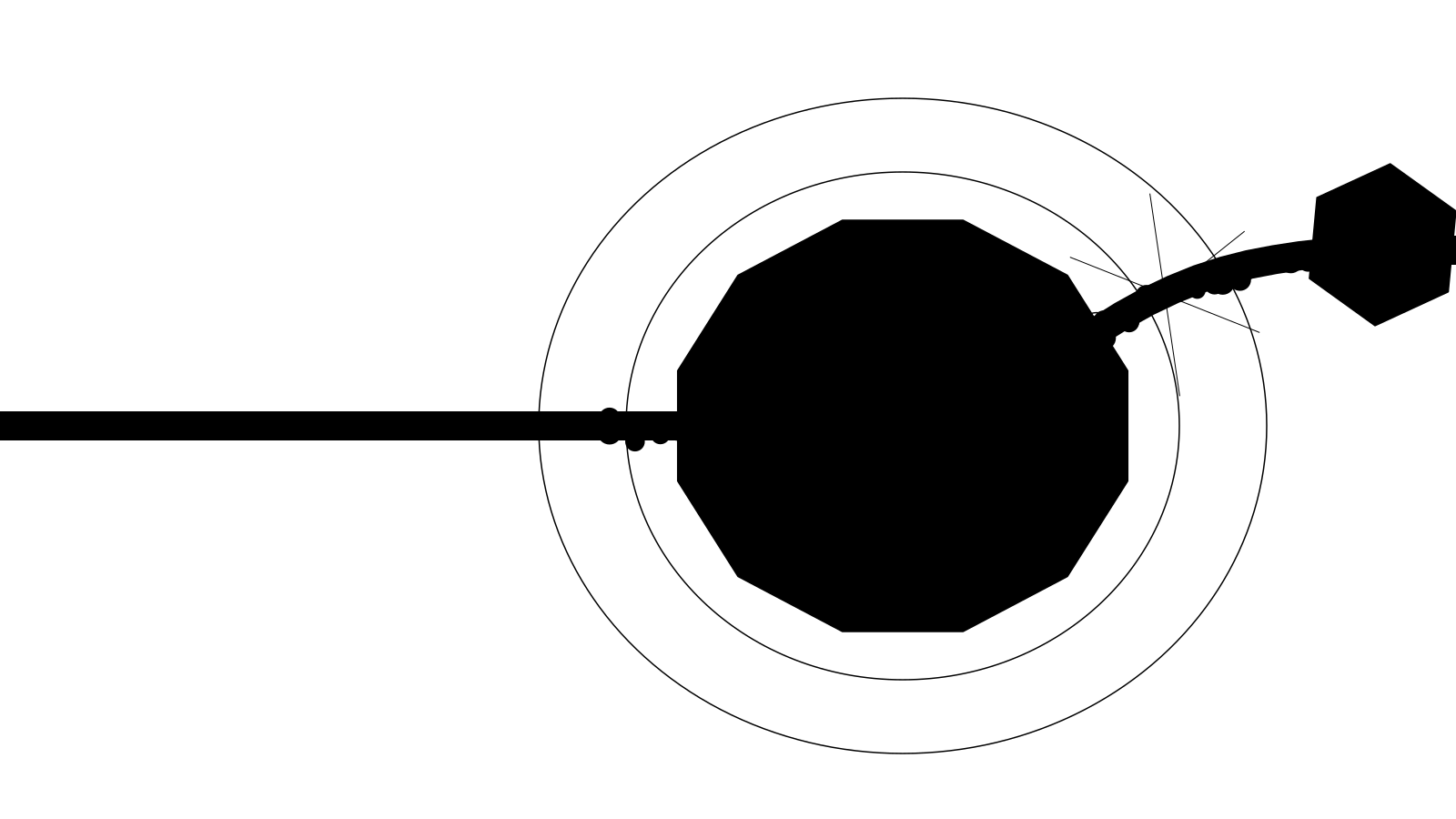
The release moment is the site's one real-time 3D scene: the crystallised decision lifts off the thread and leaves the inner environment. Conceptual — not a product screen.
Writer OS and Public OS
The thread crosses into creation, then out into the world — and the world answers.
PM OS Writer OS Public OS PM OSContext crosses the boundary. It does not restart.
The thread crosses into creation.
Writer OS
How is it communicated?
Writer OS turns product knowledge into trusted, finished communication.
- Briefs from decisions
- Source hub
- Drafts · quality & brand-voice checks
- Human review → final assets
Briefs start from the decision, not a blank page. Sources, a source hub, projects, campaigns and a calendar surround the drafts; quality and brand-voice checks and human review stand between a draft and a final asset; a PM handoff keeps the piece attached to the thread it came from.
- Projects · campaigns · calendar
- PM handoff
Out into the world — and the world answers.
Public OS
What does the world say back?
Public OS brings the product into conversation with the people who use it.
- Submit ideas
- Vote · follow · comment
- Public roadmap
- Changelog with its source idea
On the Public Portal, customers submit ideas, vote, follow and comment; your roadmap and changelog are public when you choose, and a changelog entry can say which customer idea it shipped from. What comes back is a signal again — on the same thread.
PM OS · outcomes and insights
The system sees what happened, and learns.
What actually happened.
Outcomes
What actually happened?
Outcomes show what happened after the work reached the world.
- Validated · mixed · at risk · not measured
- Customer-backed demand on record
- Revenue represented
Each release is measured against what it was meant to change: validated, mixed, at risk, or not yet measured — with the customer demand and the revenue it represented kept on the record.
Understanding becomes the next signal.
Insights
What did we learn?
Insights turn what happened into understanding that informs what comes next.
- Insights
- Loops
- Quarterly retrospective
Outcomes become understanding: insights, loops and a quarterly retrospective read the pattern across releases — and understanding is where the next signal is read. The thread does not end; it returns, brighter.
What’s next? The next signal.
The product lifecycle, connected.
Where do you fit into it? Find your environment ↓
Where you fit
Three environments. Each stands on its own. Connected when the work crosses over.
Clarimeld is three product environments that each do a whole job by themselves, and one connected system when work moves between them. You do not have to adopt all of it to use any of it.
-
For product managers and product teams
PM OS
Product management: discovery, evidence, decisions and execution.
The environment where the product is understood, decided, built and measured — from the first signal to what shipped and what it changed.
Inside PM OS
- Ideas & signals
- Discovery
- Evidence
- Strategy
- OKRs
- Competitive intel
- Decisions
- PRDs
- Governance
- Snapshots
- Execution
- Releases
- Loops
- Outcomes
- Insights
-
For writers, content and communication teams
Writer OS
Creation and communication: from briefs, sources and drafts to finished work.
The environment where product knowledge becomes trusted content — with the sources, checks, review and provenance to back it.
Inside Writer OS
- Briefs
- Projects
- Campaigns
- Source hub
- Drafts
- Quality checks
- Brand voice
- Calendar
- Assets
- Final assets
- Insights
- Pipeline
- PM handoff
-
For customer, community and product-facing teams
Public OS
Public and customer interaction: ideas, votes, feedback, roadmap and changelog.
The environment where customers take part — and where what they say comes back as a signal you can trace.
Inside Public OS
- Public ideas & signals
- Voting
- Following
- Comments
- Feedback
- Public roadmap
- Changelog
- Notifications
Where do you start?
Where do you start?
- PM / productPM OSDiscovery, evidence, strategy, decisions, PRDs, governance, execution, releases, outcomes, insights.
- Writer / content / communicationWriter OSBriefs, sources, drafts, quality checks, review, final assets.
- Public / customer / communityPublic OSPublic ideas, votes, comments, roadmap, changelog, deliberate notification.
Start with the work you own.Connect the suite when the work crosses over.
A product manager can use PM OS on its own. A writer or communications team can use Writer OS on its own. A customer-facing team can use Public OS on its own. Nothing here requires the whole suite.
Why the suite exists: the work itself crosses boundaries.
- A product decision
- becomes communication
- reaches customers
- they respond
- new product context
Adopt PM OS alone and you have the whole internal lifecycle. Add Writer OS and a PRD approval can open a launch brief that already knows its context. Add Public OS and the people who asked can be told — deliberately, by a person — when it ships, and what they say next lands back on the same thread. The thread is what persists across that movement.
No plans or prices are shown here. Clarimeld is pre-launch; early-access teams will be set up by hand.
Early access
We’re opening early access to a small number of product, content and customer teams.
Clarimeld is pre-launch. There are no customer logos on this page because there are no customers yet — there are people building it, and a few teams we’d like to build it with. Tell us which environment your work starts in.
What early access means: a working environment for your team, direct access to the people building Clarimeld, and a say in what comes next. What it doesn’t mean: a public launch date we can’t yet promise.
Thanks.